Logan Roth · 31 October 2026
Resource Distribution Methods in Autonomous Online Ventures During Expansion Periods
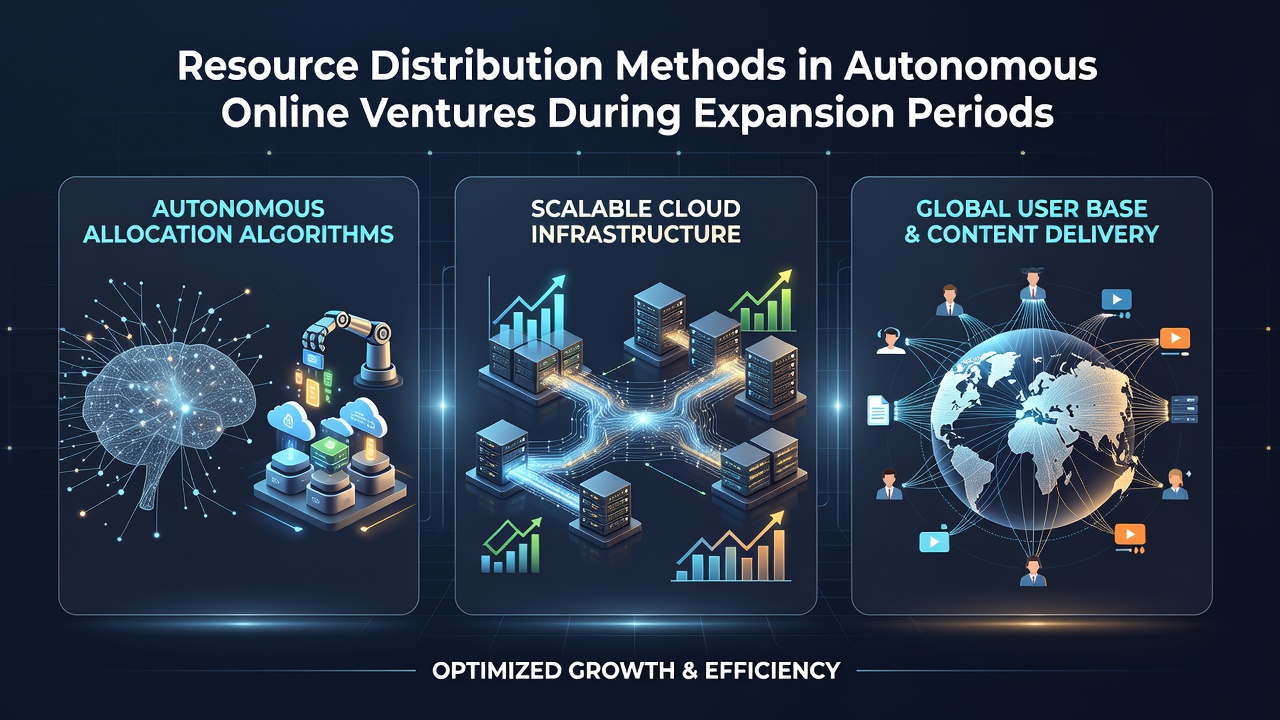
Autonomous online ventures face distinct challenges when scaling operations beyond initial launch phases, and resource distribution becomes central to sustained growth. Those who manage these projects often track server capacity, content production pipelines, and marketing budgets as primary levers during expansion, while data from multiple regions shows patterns in how successful operators reallocate funds and personnel. As of October 2026, reports from the US Small Business Administration indicate that digital-first businesses allocating at least 35 percent of incremental revenue to infrastructure upgrades maintained higher uptime rates than those directing resources primarily toward acquisition campaigns.
Planning Frameworks Used in Expansion Phases
Observers note that structured assessment precedes effective distribution, and operators typically begin by mapping current traffic volumes against projected increases using analytics platforms. Researchers at academic institutions have documented cases where ventures that conducted quarterly audits of bandwidth usage and storage needs avoided bottlenecks that stalled growth in comparable projects. These audits incorporate metrics such as page load times, database query volumes, and API call rates, then translate findings into prioritized spending categories that include hardware provisioning, software licensing, and third-party service contracts.
Financial models employed during this stage often separate fixed costs from variable ones, allowing managers to shift portions of operating budgets toward temporary scaling resources like cloud instances that activate during traffic spikes. Industry organizations tracking independent web projects report that ventures employing rolling forecasts rather than annual static budgets adjusted more rapidly to seasonal demand shifts observed in 2025 and early 2026.
Technical Infrastructure Allocation
Technical resources receive early attention because downtime directly affects revenue and user retention in standalone sites. Operators distribute server resources across multiple geographic zones when expansion targets new audiences, and this approach reduces latency while spreading risk. Data indicates that projects migrating workloads to hybrid setups combining dedicated servers with containerized services experienced fewer outages during peak periods compared with single-provider configurations.
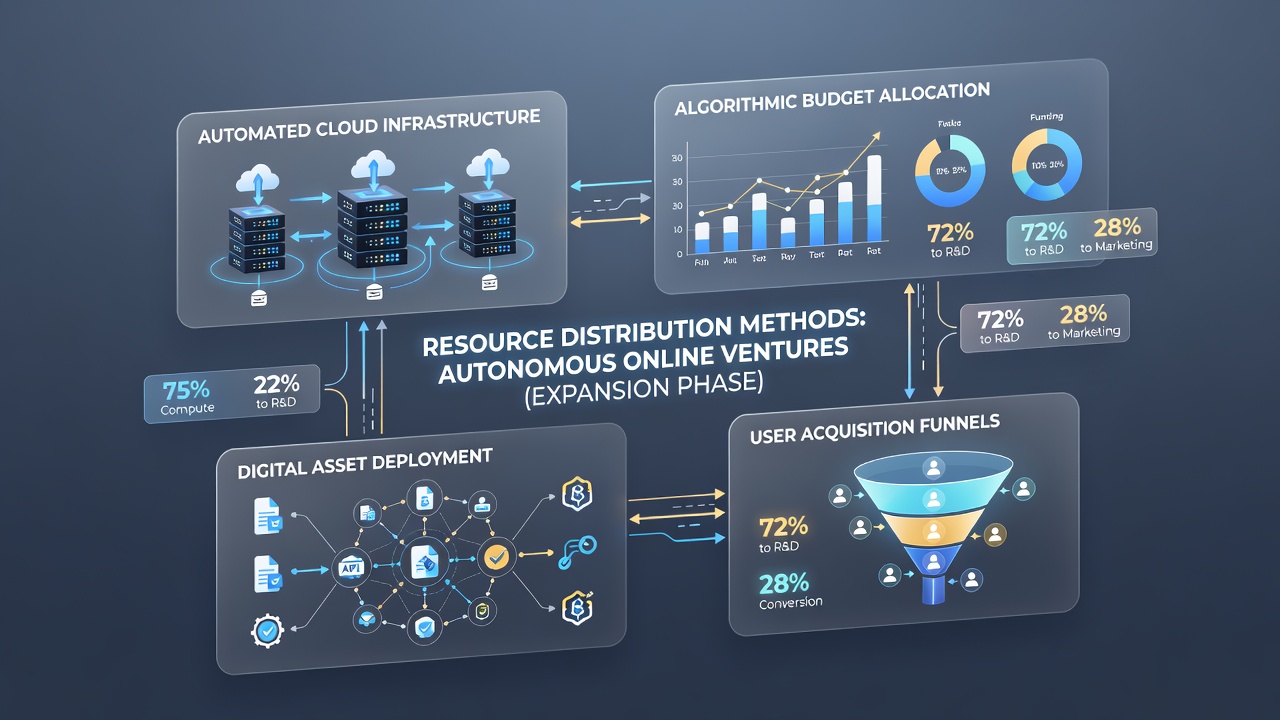
Content delivery networks receive dedicated budget lines in many cases, since they handle the majority of static asset delivery once user bases grow beyond regional boundaries. Those overseeing these ventures also allocate developer hours toward automation scripts that manage load balancing and cache refreshes, freeing personnel for feature development rather than routine maintenance. Studies from European research centers show that automation investments made during expansion phases correlated with lower long-term operational costs across sampled digital projects.
Human Capital and Workflow Distribution
Personnel resources shift from generalist roles toward specialized positions as ventures mature, and managers often reassign existing team members to oversee new functions such as community moderation or partnership development. External contractors supplement internal staff during high-growth windows, particularly for tasks like localization, compliance documentation, and custom integration work. Figures from Canadian small business surveys reveal that projects maintaining at least one dedicated operations role during expansion reported faster resolution times for technical issues than those relying solely on founder oversight.
Training budgets expand in tandem, with resources directed toward upskilling current staff on emerging tools rather than immediate hiring in every instance. This method preserves institutional knowledge while distributing expertise across the team, and it proves especially useful when ventures enter new markets requiring region-specific regulatory awareness.
Marketing and Partnership Resource Channels
Marketing spend during expansion periods frequently moves from broad awareness campaigns toward targeted retention and referral programs once initial user acquisition stabilizes. Operators track channel performance through attribution models that assign credit across multiple touchpoints, then reallocate budgets accordingly on monthly cycles. Academic analyses of independent digital projects demonstrate that ventures emphasizing organic referral systems over paid acquisition maintained steadier growth trajectories when external ad platforms adjusted pricing structures.
Partnership allocations include affiliate commissions, co-marketing agreements, and API integrations that extend reach without proportional increases in direct advertising costs. Government reports from Australia highlight that small online enterprises forming cross-border partnerships during 2025-2026 scaled user bases more efficiently when they reserved portions of marketing budgets specifically for these collaborative efforts.
Monitoring Systems and Iterative Adjustments
Continuous measurement underpins successful distribution, and dashboards tracking key performance indicators across technical, financial, and user metrics allow rapid course corrections. Teams review these indicators weekly during active expansion, comparing actual resource consumption against projections to identify variances early. Research indicates that projects implementing automated alerts for threshold breaches in server utilization or budget drawdown rates sustained more consistent performance levels.
Feedback loops incorporate user data and internal operational logs, feeding insights back into planning models for subsequent quarters. This iterative process ensures resources remain aligned with actual demand rather than assumptions formed at the outset of expansion initiatives.
Conclusion
Resource distribution methods in autonomous online ventures during expansion periods center on systematic assessment, prioritized technical investments, adaptive personnel assignments, and performance-driven budget shifts. Data compiled through October 2026 from multiple jurisdictions illustrates that ventures applying these coordinated approaches achieved more stable scaling outcomes across varied market conditions. Operators continue refining these methods as new tools and regional requirements emerge, maintaining focus on measurable indicators that guide ongoing allocations.